

Photo Credit: Jack Koto
Q4 always looks prosperous on the surface. Holidays mean that gifting spikes, browsing becomes a pastime, and hosting revs up. From the outside, it can feel like a rising tide that lifts all brands equally. But it doesn’t.
Millennials are choosing brands with surgical precision, evaluating how well a product, platform, or experience delivers in a specific moment
What Q4 2025 made clear in our latest Ad Age brand equity tracker is that seasonality no longer guarantees equity gains – especially with Millennials. Demand may surge across categories, but equity only accrues for brands that perform cleanly under pressure.
Welcome to the era of the high-resolution Millennial. This audience is highly connected, tech-savvy, and socially conscious. They’ve matured along with technology and they aren’t shopping broadly or aspirationally. They’re choosing brands with surgical precision, evaluating how well a product, platform, or experience delivers in a very specific moment:
- Is this the right gift – not just a popular one?
- Does this brand make hosting easier, smoother, more confident?
- Can I discover what I want quickly, without friction or noise?
- Does this brand feel competent when the stakes are higher?
In Q4, those expectations intensified. What separated winners from laggards wasn’t creativity or campaign spend. It was execution.
Why Q4 is now an execution stress test
For marketing and research leaders, Q4 has become a stress test for brand strategy.
Seasonal moments compress decision-making and magnify friction. They surface trust gaps. And they expose whether a brand is truly designed for how people use it – not just how it’s positioned.
The brands that gained Millennial equity this quarter shared three traits:
- They treated peak moments as product problems, not just marketing opportunities.
- They reduced effort or uncertainty at the point of decision.
- They reinforced relevance exactly when it mattered, not months earlier or later.
That’s why equity moved fast – and why it moved unevenly.
The brands that popped with Millennials in Q4
Beats Electronics (+13.8)
What moved the needle in Q4 for Beats Electronics?
Beats used cultural storytelling to make customers feel they weren’t just buying a product; they were demonstrating support for their loved ones.
Beats launched Dare to Dream on December 19, 2025, anchored in Travis Scott’s pre-fame origin story as a bedroom producer. The campaign referenced a real 2011 tweet posted before he had a record deal, paired with Powerbeats Fit.
Why it worked
The Beats Electronics Dare to Dream campaign worked because it reframed the purchase as an investment in ambition and creative grind – not a technical comparison. Instead of competing on specs or sound quality, Beats positioned Powerbeats Fit as a companion to ambition – something that supports the grind before success arrives. For Millennials, who gift as a form of identity signaling, this turned a “safe” holiday purchase into an emotionally loaded statement about belief in someone’s future.
By anchoring the campaign in a real 2011 pre-fame tweet and bedroom-producer origin story, Beats avoided celebrity gloss and tapped into creative credibility. The narrative centered effort, uncertainty, and unfinished ambition – themes that strongly align with how Millennials see themselves in 2025, especially amid end-of-year reflection.
TJ Maxx (+12.8)
What moved the needle in Q4 for TJ Maxx?
TJ Maxx rolled out the Maxxinista Express holiday tour – a double-decker bus that turned off-price shopping into a live, social experience. TJ Maxx shoppers could catch festive feels by boarding the Christmas-themed bus to seek out big-name brands at budget prices.
The Maxxinista Express tapped into a fan ritual of “Maxx-hopping” from store to store to treasure hunt for the latest bargains.
Why it worked
Q4 already rewards value. TJ Maxx layered in discovery and participation, making the hunt itself shareable. Even if shoppers didn’t get involved personally, they delighted in seeing what others had bought when they inevitably shared their hauls on social – with the bus’s well-designed features making it perfect for “the gram” (that’s Instagram for those of us who are not in the know).
Nordstrom (+11.0)
What moved the needle in Q4 for Nordstrom?
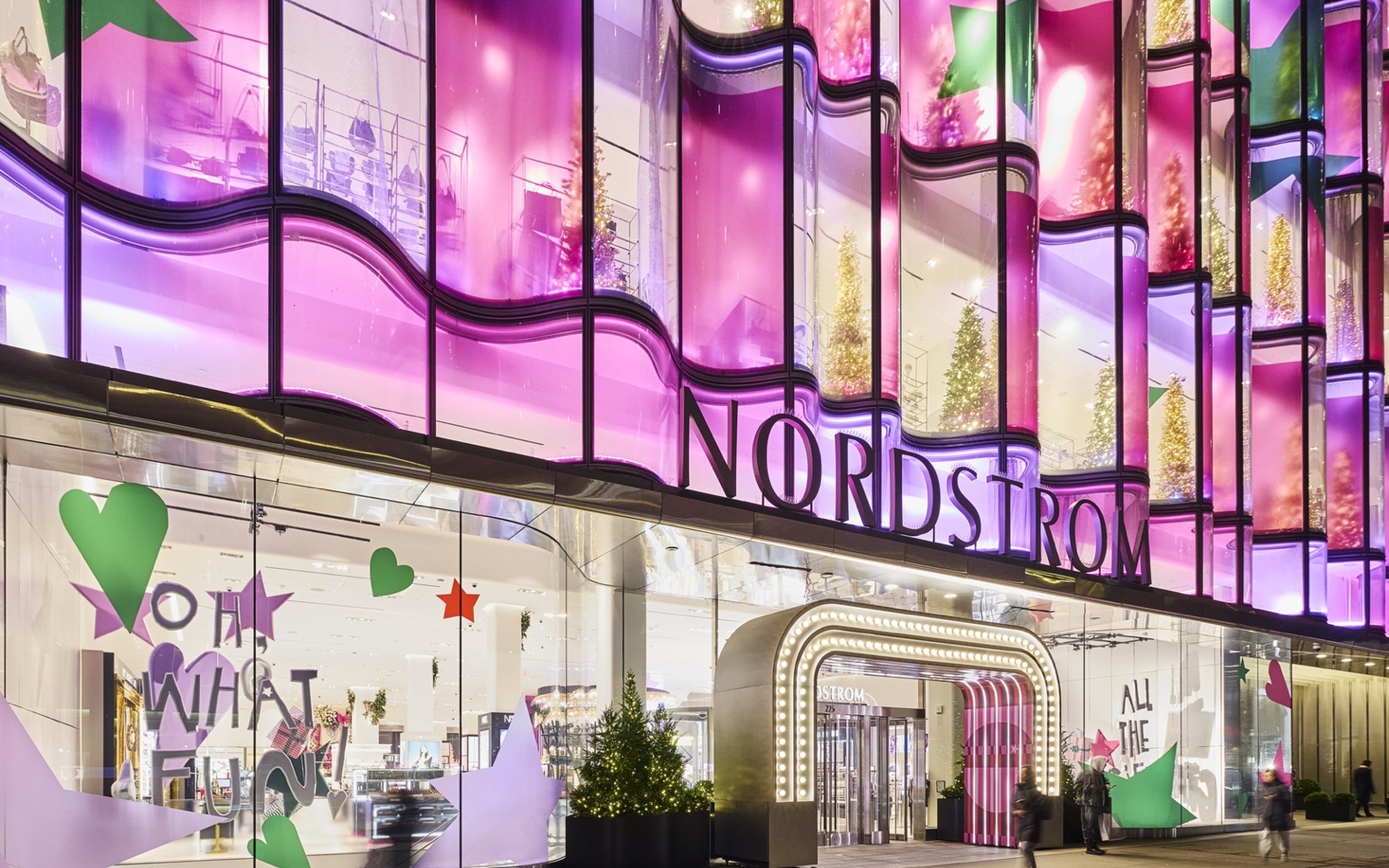
Nordstrom’s Oh, What Fun! campaign launched November 18, anchored by immersive flagship experiences like the five-floor Oh, What Funhouse in New York. The campaign worked because it addressed a real Millennial pain point in Q4: holiday overwhelm.
Rather than adding more choice or louder promotion, Nordstrom treated gifting as a design problem. The immersive experience at the NYC Flagship that drew inspiration from childlike curiosity and the joy of giving. The entire store was transformed into a vibrant playground, guiding visitors through five interactive zones, each thoughtfully designed to awaken a different sense and spark inspired gifting. The Oh, What Funhouse created structure, curation, and clear pathways, helping shoppers move forward without decision fatigue at the most stressful point in the season.
Why it worked
The campaign aligned with how Millennials want to shop under pressure. Instead of celebrating excess, Nordstrom replaced abundance with guidance. Sensory zones and themed environments turned shopping into a navigable system, where the value wasn’t novelty or volume, but confidence. That shift mattered in Q4, when time is scarce and shoppers want reassurance that they’re making the “right” choice quickly.
Shopify (+10.0)
What moved the needle in Q4 for Shopify?
What moved the needle for Shopify in Q4 2025 wasn’t a splashy campaign or a headline feature drop. It was quiet, structural execution at the exact point where Q4 breaks most platforms: discovery.
October updates to the Shop app improved catalog surfacing and indexing, making Shopify-powered storefronts easier to find in mobile search. In Q4, when consumers are browsing fast and abandoning even faster, this really mattered. Shopify didn’t ask consumers to work harder or explore longer – it shortened the path from curiosity to product. That shift is invisible when it works, but brutal when it doesn’t.
By improving how independent sellers showed up during peak demand, it made the ecosystem feel more reliable and competent. For Millennials, that translated into confidence: better finds, fewer dead ends, less wasted time. Platform trust increased because outcomes improved.
Why it worked
The timing was precise. Q4 magnifies every weakness in e-commerce – clutter, poor search, ands slow paths to value. Shopify converted seasonal traffic into brand equity, reinforcing its role as the platform that works when it matters most.
Ketel One Vodka (+10.0)
What moved the needle in Q4 for Ketel One Vodka?
Ketel One Vodka’s equity rise in Q4 wasn’t novelty – it was reliability, ritual, and timing. Patrick Schwarzenegger’s return as “Spirit Advisor” was a credibility cue for how to host well, not a reason to buy. That distinction is critical. Ketel One didn’t ask Millennials to try something new in a chaotic season – it reassured them.
The real driver was the brand’s deliberate lean into hosting rituals. Q4 intensifies social pressure: dinners, parties, and entertaining. Ketel One positioned itself as the dependable centerpiece of those moments through Après Noir kits and repeatable, reliable serves. This wasn’t about experimentation – it was all about confidence. Millennials want to host without stress, and Ketel One reduced the risk of getting it wrong.
Why it worked
Hosting intensity spikes in Q4. The drinks brand positioned itself as the reliable centerpiece of the social moment. And crucially, this strategy matched how Millennials behave under pressure. In high-stakes social moments, they default to brands that feel proven, not performative. By anchoring itself to familiar rituals and visible competence, Ketel One converted seasonal consumption into equity.
Q4 rewards brands that make people feel calm, capable, and socially fluent – and Ketel One executed exactly that when it mattered most.
Whatnot (+6.5)
What moved the needle in Q4 for Whatnot?
Live-stream shopping experience app Whatnot closed a $225M Series F in late October, signaling aggressive investment in scale and trust infrastructure. Whatnot’s impact in Q4 2025 was its ability to turn peak-season browsing into participation. Holiday shopping amplifies entertainment-seeking behavior, especially among Millennials, and Whatnot collapsed discovery, social proof, and purchase into a single live moment.
Instead of scrolling endlessly, consumers can watch, react, bid, and buy in real time – making shopping feel finite, social, and rewarding rather than overwhelming. It's a live-commerce + community platform – think Twitch meets QVC.
For a platform built on live transactions between individuals, perceived legitimacy and momentum mattered as much as features.
Why it worked
Most importantly, Whatnot solved a Q4 tension other platforms didn’t: holiday discovery without fatigue. Live commerce turned browsing into entertainment with a clear end point – the stream ends and the decision is made. That structure aligned with how Millennials want to shop under pressure.
As a result, Whatnot didn’t just benefit from seasonal traffic – it converted holiday energy into brand equity by making shopping feel social, decisive, and fun when everything else felt cluttered.
PNC Bank (+8.8)
What moved the needle in Q4 for PNC Bank?
PNC Bank displayed high earnings at a moment of heightened financial scrutiny. Q4 is when Millennials reassess money decisions – year-end balances, tax prep, big purchases, and longer-term stability. Against that backdrop, PNC didn’t rely on messaging. It made strength tangible.
Why it worked
The pending January 5, 2026 close of its $4.1B FirstBank acquisition, paired with the November announcement to open 300 additional branches by 2030, functioned as a product signal rather than a corporate headline. Expansion communicated scale, permanence, and operational confidence – qualities Millennials look for when risk tolerance drops. Physical presence, in this context, wasn’t legacy baggage. It was reassurance.
Most importantly, PNC aligned with how Millennials evaluate financial brands under pressure. In high-stakes moments, they prioritize reliability over innovation theatre. By showing – not telling – that it was growing, investing, and committed to long-term access, PNC converted a typically invisible corporate move into a trust-building moment. The result was an equity lift driven by competence, not charisma, exactly when it mattered most.
What this all means for leaders
Broad relevance is no longer enough. Moment-level performance now defines brand strength.
For marketing and insights teams, that means:
- Measuring how brands perform during peak usage windows – not just annual averages
- Identifying where friction, confusion, or trust breaks under pressure
- Designing products, platforms, and experiences for the moments that matter most
Seasonality will always create the moment – execution decides who earns lasting equity from it.
Want to see what other brands’ equity increased in Q4? Request a demo of QuestBrand today.